Japan attracted 31.88 million international tourists in 2019. Japan has 21 World Heritage Sites, including Himeji Castle, Historic Monuments of Ancient Kyoto, and Nara. Popular foreign attractions include Tokyo and Hiroshima, Mount Fuji, ski resorts such as Niseko in Hokkaido, Okinawa, riding the shinkansen, and taking advantage of Japan’s hotel and hotspring network. Japan is an archipelago, or string of islands, on the eastern edge of Asia. There are four main islands (Hokkaido, Honshu, Shikoku, and Kyushu), plus nearly 4,000 smaller islands. Japan’s nearest mainland neighbors are the Siberian region of Russia in the north and Korea and China farther south.
Japan’s location on islands at the outermost edge of Asia has profoundly influenced its history. Much of Japanese history has seen alternating periods of closure and openness close to mainland Asia yet far enough to keep itself separate. Until recently, Japan has been able to turn on or off its connection to the rest of the world, accepting foreign cultural influences in fits and starts. It is comparable with the relationship between Britain and the rest of Europe, but with a much wider channel.
As Japan has undergone periods of openness and isolation throughout its history, Japanese culture is if anything unique. While heavy Chinese influences are evident in traditional Japanese culture, it has also retained many native Japanese customs, resulting in a seemingly seamless blend. Japan has undergone many fashions and technological development shifts that break some of its stigmas and possibilities. Art, behavior, and cuisine have influenced Japanese culture from Western culture in that aspect.
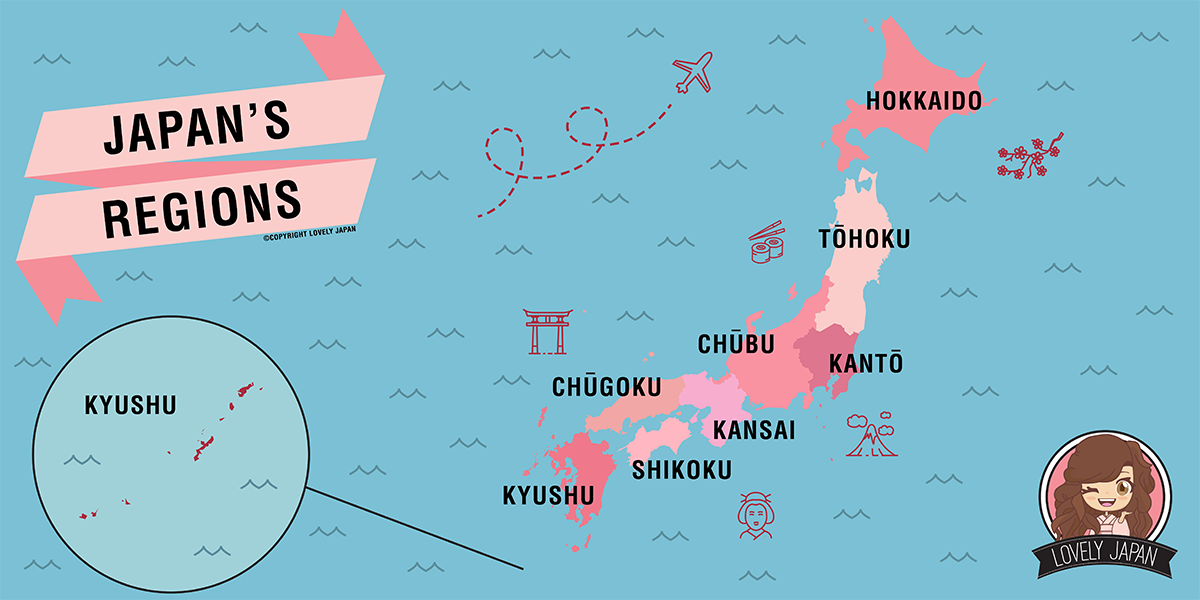
Regions of Japan Click to explore shopping, relaxation, or adventure

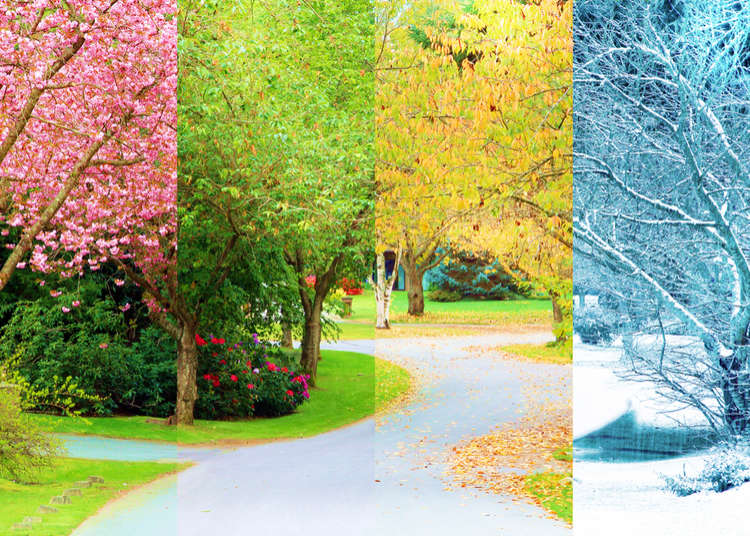
The Japanese are proud of their four seasons (an astonishing number of them are firmly convinced that the phenomenon is unique to Japan). Still, tourists with a flexible travel schedule should aim for spring or autumn.